What Are Skin Boosters? Benefits, Treatment, and How They Work

April 8, 2026

Skin boosters are injectable hydration treatments that deliver hyaluronic acid deep into the dermis — restoring skin moisture, improving texture, stimulating collagen, and bringing back a natural radiance that no topical skincare can replicate.

If your skin looks tired, dull, or dehydrated no matter how thorough your skincare routine is, you’re not imagining it — and you’re not doing it wrong. The problem isn’t what you’re putting on your skin. It’s that the deeper layers, where long-term hydration is stored and collagen is produced, are simply beyond the reach of any cream or serum. Skin booster treatment is designed specifically to work at that depth, addressing the root cause rather than managing symptoms at the surface.

This guide covers everything you need to make an informed decision: how skin boosters work, what results are realistic, how long they last, what the treatment actually feels like, who it suits — and who it doesn’t.

What Are Skin Boosters?

Skin boosters are injectable treatments that use highly concentrated hyaluronic acid — a substance your body produces naturally to retain moisture and keep skin plump — delivered directly into the mid-to-deep dermis through a series of small microinjections. Unlike dermal fillers, which add volume or reshape specific facial features, skin booster injections are distributed evenly across a treatment area. The goal isn’t structural. It’s biological: flood the skin with hydration and trigger the regenerative processes that improve skin quality from the inside out.

The most well-known product in this category is Profhilo, which works as a bio-remodelling treatment rather than a simple hydration boost. It stimulates fibroblast activity — the cellular process responsible for producing collagen and elastin — encouraging your skin to rebuild its own structural proteins rather than simply supplementing them from the outside. Other commonly used products include Juvederm Volite and Restylane Skinboosters, each with slightly different formulations and diffusion properties. Your practitioner will recommend the most appropriate product based on your skin type, concerns, and goals.

Treatment areas most commonly include the face, neck, hands, and décolletage — all areas prone to early skin laxity, fine lines from dehydration, and the gradual quality decline that accelerates from the mid-thirties onward.

Skin Booster Benefits: What the Treatment Actually Delivers

The reason skin booster benefits are discussed so consistently in medical aesthetics is that results tend to be genuine improvements in skin health rather than cosmetic effects that fade quickly. Here’s what patients realistically notice over a full treatment course:

  1. Deep, long-lasting hydration. Hyaluronic acid holds up to 1,000 times its weight in water. Delivered into the dermis, it creates a sustained moisture reservoir that topical products simply cannot reach. Most patients notice their skin feels physically different within days — softer, more supple, and more responsive to touch.
  2. Improved skin texture and surface quality. Rough, uneven texture and that flat, dull appearance that skincare doesn’t seem to shift responds well to the combined effects of deep hydration and collagen stimulation. After a full course, skin texture typically becomes noticeably more refined and even.
  3. Softer fine lines and early signs of ageing. Skin boosters won’t erase deep structural wrinkles — those require dermal fillers or anti-wrinkle injections. What they do address is the fine lines caused by dehydration and early collagen loss, plumping the skin from within and improving the overall quality of the surface.
  4. Better skin elasticity and firmness. As collagen and elastin levels decline with age, skin becomes less resilient — thinner, less able to bounce back. By stimulating natural collagen production through bio-remodelling, skin boosters contribute to a meaningful improvement in skin density and firmness over the treatment course.
  5. Natural-looking glow and radiance. The improvement patients describe isn’t the kind that reads as a procedure. It’s the kind where people ask if you’ve been sleeping better or stress-free. Well-hydrated, structurally supported skin simply looks healthier — and that’s the whole goal.

How Do Skin Boosters Work?

Hyaluronic acid molecules are injected into the dermis, where they integrate into the tissue and begin attracting and binding water molecules. This immediately improves skin hydration at a cellular level — something the skin’s own barrier actively prevents topical products from achieving, regardless of how high-quality they are.

Beyond direct hydration, two additional processes drive longer-term results. First, the bio-remodelling activity of products like Profhilo stimulates fibroblasts — the cells that produce collagen and elastin — to become significantly more active. Second, the microinjection process itself creates a minor wound-healing response, which further accelerates collagen synthesis. Over the four to eight weeks following each session, these processes work together to produce progressive improvements in skin density, firmness, and texture that go well beyond what the hydration alone would achieve.

The cumulative effect is skin that doesn’t just look better temporarily — it starts functioning better at a structural level.

What Does the Treatment Feel Like?

Most patients describe skin booster injections as mildly uncomfortable rather than painful. A topical numbing cream is applied beforehand and left to take effect for around 20 to 30 minutes, which significantly reduces sensation during the procedure. The microinjections themselves are quick — a full-face treatment typically takes around 30 to 45 minutes from start to finish.

Immediately after treatment, you may notice small raised bumps at the injection sites — these are normal and typically settle within a few hours to 24 hours. Mild redness and minor swelling are common for the first day or two. Bruising can occasionally occur, particularly in thinner-skinned areas like under the eyes or on the neck, but it resolves within a week in most cases.

There is no significant downtime. Most patients return to normal activity the same day, though most practitioners recommend avoiding strenuous exercise, excessive heat (saunas, hot showers), and makeup for 24 hours post-treatment to allow the injection sites to settle cleanly.

How Long Do Skin Boosters Last?

Results from a full initial course typically hold well for six to nine months, though this varies depending on skin type, age, lifestyle, and the specific product used. Younger patients with faster metabolisms often find the hyaluronic acid is broken down more quickly. Sun exposure, smoking, high alcohol intake, and poor sleep all accelerate the breakdown process and shorten how long results last.

Maintenance sessions every four to six months are the standard recommendation for patients who want to sustain and build on their results. Over time, with consistent maintenance, the cumulative effect of ongoing collagen stimulation tends to improve baseline skin quality progressively — meaning each round of treatment builds on the last rather than simply resetting.

How Long Do Skin Boosters Take to Work?

Results build gradually rather than appearing immediately. Most patients notice improved hydration and a clearer glow within two to three weeks of the first session. The more significant improvements — better firmness, refined texture, and improved skin density — typically become visible after the second session.

This is why the standard initial course involves two sessions spaced four weeks apart rather than a single treatment. One session improves hydration noticeably; two sessions trigger the fuller collagen remodelling response that produces the deeper, longer-lasting improvements in skin quality. For a detailed breakdown, how long skin boosters take to work is covered separately. For visual reference, skin boosters before and after results are discussed in detail with realistic expectations by skin type and age.

Who Is a Good Candidate for Skin Boosters?

Skin booster treatment suits a wide range of patients, but it tends to produce the most noticeable results for those whose primary concern is skin quality rather than structural change. Good candidates typically include:

  • Patients in their mid-thirties or older noticing early skin laxity, dehydration, or loss of firmness
  • Anyone whose skin looks dull, flat, or tired regardless of their skincare routine
  • Patients with crepey texture around the eyes, neck, or décolletage
  • Those who want to improve skin quality ahead of, or alongside, other aesthetic treatments
  • Patients looking for natural-looking results without structural change to facial volume

Skin boosters also complement other treatments well. Patients combining them with anti-wrinkle treatments, microneedling, or dermal fillers often find the combination produces a more complete, natural-looking result than either treatment alone — the skin boosters improving overall skin quality while the other treatments address specific structural concerns.

Who Should Avoid Skin Boosters?

Skin boosters are not suitable for everyone. Treatment is generally not recommended for:

  • Patients who are pregnant or breastfeeding
  • Those with active skin infections, inflammatory conditions, or open wounds in the treatment area
  • Patients with a known allergy to hyaluronic acid or any components of the treatment product
  • Those taking blood-thinning medications, unless cleared by their GP (bruising risk is significantly higher)
  • Patients with autoimmune conditions affecting the skin — a thorough consultation is essential before proceeding

A proper clinical consultation will identify any contraindications before treatment proceeds. Any reputable practitioner will take a full medical history and decline to treat where there is genuine clinical reason to do so.

Skin Booster Aftercare: What to Do After Treatment

The steps you take in the 24 to 48 hours following treatment make a meaningful difference to how well the product settles and how quickly initial swelling resolves. Standard aftercare guidance includes:

  • Avoid touching or massaging the treatment area for the first 6 to 8 hours
  • Skip makeup and active skincare (retinols, acids, vitamin C) for 24 hours
  • Avoid strenuous exercise, saunas, steam rooms, and hot showers for 24 to 48 hours
  • Stay well hydrated — drink plenty of water in the days following treatment
  • Apply SPF daily (this should already be part of your routine, but it’s especially important post-treatment)
  • Avoid alcohol for 24 hours, as it can increase swelling and slow healing

If you experience anything beyond mild redness, minor swelling, or small injection-site bumps — particularly if you notice unusual pain, significant bruising, or any discolouration that doesn’t resolve within a week — contact your clinic promptly.

Skin Boosters vs Dermal Fillers: What’s the Difference?

This is one of the most common questions patients ask, and the distinction matters. Skin boosters and dermal fillers both use hyaluronic acid, but they work in fundamentally different ways:

  • Skin boosters are injected in small amounts across a wide area. They don’t add volume. Their purpose is to improve skin hydration, texture, and collagen stimulation — improving the quality of the skin itself.
  • Dermal fillers are placed precisely and strategically to add volume, restore lost structure, or reshape specific features — cheeks, lips, jawline, under-eye hollows. They are a structural treatment, not a skin quality treatment.

Many patients benefit from both, but they address different concerns. If your primary issue is skin quality — dullness, dehydration, fine surface lines, loss of bounce — skin boosters are the more appropriate treatment. If your concern is volume loss or specific structural changes, that’s a conversation for dermal fillers.

How Much Do Skin Boosters Cost?

Skin booster treatment costs in the UK typically range from £250 to £500 per session, depending on the product used, the number of areas treated, and the experience level of the practitioner. Profhilo, as one of the more advanced bio-remodelling products, tends to sit at the higher end of this range. Most patients require two sessions for an initial course, so budgeting £500 to £900 for a full starting course is a realistic expectation.

Maintenance sessions every four to six months represent an ongoing investment. When evaluating cost, it’s worth considering the longevity of results — six to nine months from a full course compares favourably to the monthly spend many patients put into topical skincare that isn’t delivering the same depth of improvement.

Price should never be the primary deciding factor when choosing a practitioner for injectable treatments. A significant reduction in price often reflects a reduction in product quality, practitioner experience, or both — and the consequences of poorly placed injectables are not trivial.

Choosing the Right Practitioner

Skin booster injections involve medical-grade products delivered by injection into living tissue. The quality of your results — and your safety throughout the process — depends directly on the practitioner performing them. When choosing a clinic, look for:

  • A qualified medical professional (doctor, dentist, nurse prescriber) with specific training in aesthetic injectables
  • Clinically approved, CE-marked or MHRA-registered products — never unlicensed alternatives
  • A proper consultation that includes a full medical history, skin assessment, and honest discussion of what the treatment can and cannot achieve for you specifically
  • Transparent aftercare support and a clear process for managing any post-treatment concerns

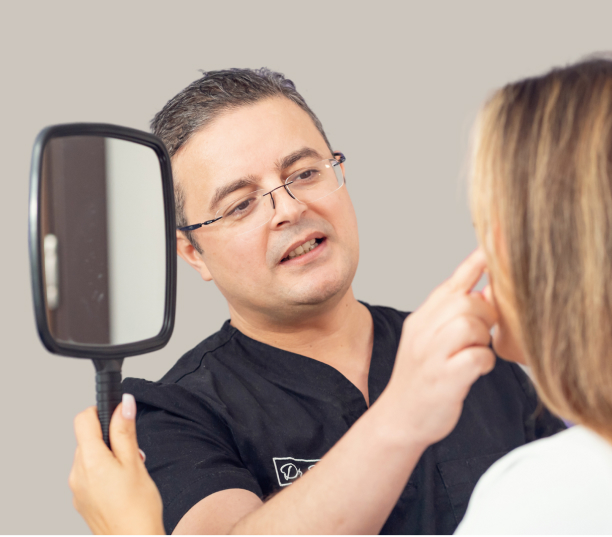
At Dr Salim Aesthetic Medicine, every patient undergoes a thorough clinical consultation before any treatment is agreed. The treatment plan is built around your specific skin type, concerns, lifestyle, and realistic goals — not a one-size-fits-all protocol. That level of personalisation is what produces results that look like genuinely better skin rather than a procedure.

Final Thoughts

Skin boosters work because they address something that genuinely can’t be fixed any other way — the gradual loss of deep hydration and collagen that makes skin look and feel less like itself over time. The results are real, they build progressively, and with consistent maintenance they produce the kind of lasting improvement in skin quality that makes everything else about your appearance look better too.

If you’ve been working at your skin diligently and still not getting there, this is worth a proper conversation. Book a skin booster consultation and find out exactly what the treatment can do for your specific skin.

Frequently Asked Questions

Q: Are skin boosters worth it?

A: For patients whose primary concern is skin quality — hydration, texture, dullness, early loss of firmness — yes, consistently. They address the problem at a depth topical skincare cannot reach, and results tend to be one of the more genuinely satisfying improvements patients notice in their skin. The key is being a suitable candidate and having realistic expectations: skin boosters improve skin quality, they don’t restructure the face.

Q: How are skin boosters different from anti-wrinkle injections?

A: Completely different treatments. Anti-wrinkle injections (botulinum toxin) work by temporarily relaxing the muscles that cause dynamic wrinkles — frown lines, crow’s feet, forehead lines. Skin boosters improve the quality of the skin itself through hydration and collagen stimulation. Many patients use both as part of a combined treatment plan, but they target different concerns.

Q: Do skin boosters hurt?

A: Most patients describe the treatment as mildly uncomfortable rather than painful. Topical numbing cream is applied beforehand, which reduces sensation significantly. Sensitivity varies depending on the treatment area — the neck and under-eye area tend to be more sensitive than the cheeks or forehead.

Q: How many sessions do I need?

A: The standard initial course is two sessions spaced four weeks apart. One session improves hydration noticeably; the second session triggers the fuller collagen remodelling response that produces deeper, longer-lasting improvements in skin quality. After the initial course, maintenance sessions every four to six months sustain and build on results.

Q: Can skin boosters be used on the neck and hands?

A: Yes — the neck, décolletage, and hands are all common treatment areas and often show some of the most visible improvements, as these areas tend to show early signs of skin laxity and dehydration and are frequently overlooked by other treatments.

Q: What is the difference between Profhilo and other skin boosters?

A: Profhilo is a bio-remodelling treatment, meaning its primary mechanism is stimulating fibroblast activity and collagen and elastin production, with hydration as a secondary benefit. Other skin boosters like Juvederm Volite or Restylane Skinboosters focus more directly on sustained deep hydration with some collagen stimulation. Profhilo tends to be recommended for patients whose primary concern is skin laxity and loss of firmness; other products may be more appropriate for patients whose primary concern is hydration and texture. Your practitioner will advise based on your specific skin.

Kind Words

From Our Clients

Accreditations & Affiliations

Get In Touch

With Us Today


    Aesthetic treatment examination