What Are Dermal Fillers? Types, Uses and What Can Go Wrong
August 7, 2026
These days, the popularity of dermal filler treatments has grown significantly as more people seek non-surgical options that help enhance facial features and restore volume. While these treatments can produce natural-looking results when performed by a qualified medical professional, it is equally important to understand how they work, the different types available, the treatment process, and the potential risks involved.
Being well informed helps patients make confident decisions and know what to expect before, during, and after treatment. Therefore, in this blog, we will discover more about dermal fillers, their types, uses, and the complications and precautions.
What Are Dermal Fillers And Their Uses?
Dermal fillers are injectable gels which are used to restore lost facial volume, enhance facial contours, and improve overall facial balance. Unlike cosmetic surgery, dermal fillers provide a minimally invasive treatment option with minimal downtime.
The common treatment areas include:
- Lips
- Cheeks
- Jawline & Chin
- Nasolabial folds
- Marionette lines
- Tear troughs
Depending on the treatment area and product used, results may last several months to over a year.
Common Uses Of The Dermal Fillers:
The common uses include:
- Lip Enhancement: Usually used for plumping and defining the borderline.
- Wrinkle Reduction: Helps to maintain appearance by reducing smile lines and marionette lines.
- Volume Restoration: It lifts the hollow cheeks and fills the under-eye area.
- Scar Improvement: Sculptures chin, jawline and nose bridges.
- Facial Contouring: Softens the look by covering the acne and injury scars.
Different Types Of Dermal Fillers
Several types of dermal fillers are available, each designed for different purposes. Here is the dermal filler and its use:
1. Hyaluronic Acid (HA) Fillers
These are among the most commonly used fillers because hyaluronic acid occurs naturally within the body. They are often chosen for lip enhancement, facial contouring, and restoring volume.
2. Calcium Hydroxylapatite Fillers
These fillers are generally used for deeper facial lines and areas requiring additional structural support.
3. Poly-L-Lactic Acid Fillers
Rather than simply adding volume, these fillers gradually stimulate collagen production over time.
4. Polymethylmethacrylate (PMMA) Fillers
PMMA fillers contain tiny microspheres suspended within a gel and are typically selected for specific long-term correction in appropriate cases.
The Steps Included In The Dermal Fillers Process
The process consists of several key stages such as:
Step 01:
Initial Consultation
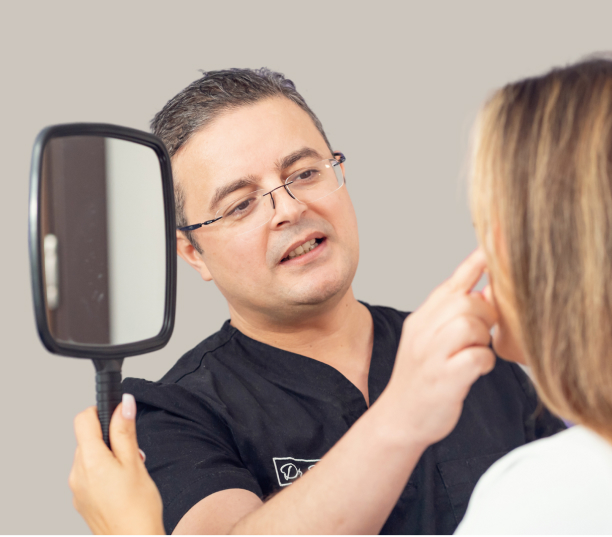
A medical assessment is carried out to discuss medical history, treatment goals, facial anatomy, and suitability.
Step 02:
Personalised Treatment Planning
The practitioner identifies suitable treatment areas and selects the most appropriate filler product.
Step 03:
Preparation
The skin is cleansed thoroughly, and a topical anaesthetic may be applied where appropriate.
Step 04:
Injection Procedure
Small amounts of filler are carefully injected into the selected areas using specialised techniques.
Step 05:
Aftercare Guidance
Patients receive detailed instructions regarding post-treatment care, expected recovery, and follow-up recommendations.
The Benefits Of Choosing Dermal Fillers
Many patients choose dermal fillers because they offer a non-surgical approach to facial enhancement. The Potential benefits include:
- Facial volume restoration
- Enhanced facial contours
- Natural-looking results
- Minimal recovery time
- Customised treatment plans
- Gradual facial rejuvenation
Each treatment plan is tailored to the individual’s facial anatomy and aesthetic goals.
Complications Management: What Can Go Wrong?
Like any medical procedure, dermal filler treatments carry potential risks and should always be performed by an appropriately qualified healthcare professional.
Possible complications may include:
- Swelling
- Bruising
- Tenderness
- Asymmetry
- Infection
- Vascular complications
- Delayed inflammatory reactions
Understanding signs of aesthetic complications and when to seek help is important. Symptoms such as increasing pain, significant skin colour changes, persistent blanching, unusual swelling, or vision changes require urgent medical assessment.
Precautions To Consider During The Dermal Fillers Process
Patients can help support a safe treatment experience by following professional guidance before and after the procedure.
Important considerations include:
- Choose a Qualified Medical Professional
Always seek treatment from a practitioner with appropriate medical training and experience in facial anatomy. - Attend a Full Consultation
A thorough assessment helps identify any medical conditions or factors that may influence treatment suitability. - Follow Aftercare Instructions
Following post-treatment guidance helps support the healing process and reduces unnecessary risks. - Ask Questions
Patients should feel comfortable discussing expected outcomes, treatment options, and any concerns before proceeding. It helps clients to enquire about their doubts, such as how much injectable fillers for the jawline cost or whether treating under-eye is safe.
Considering all of these precautions ensures you get the best results from the dermal filler.
What Makes DR Salim A Reliable Choice For Dermal Fillers?
Dr Salim provides patient-focused, aesthetic-trained and certified treatments with an emphasis on safety, personalised care, and evidence-based practice. Every consultation includes a detailed facial assessment and discussion of individual goals before a customised treatment plan is developed. By prioritising thorough consultations, precise treatment techniques, and comprehensive aftercare, Dr Salim aims to deliver natural-looking results while maintaining the highest standards of patient care.
Conclusion
In conclusion, dermal fillers offer a versatile, minimally invasive option for enhancing facial features and restoring volume when performed by an experienced medical professional. Understanding the different filler types, treatment process, potential benefits, and possible complications allows patients to make informed decisions about their care. Choosing a qualified practitioner, attending a thorough consultation, and following professional aftercare advice all contribute to achieving safe and satisfactory treatment outcomes.
Frequently Asked Questions
Q: How do Botox and dermal fillers differ?
A: Botox relaxes muscles to smooth expression lines, whereas fillers add volume under the skin to restore fullness and shape.
Q: How long do dermal filler results last?
A: The longevity of results varies depending on the type of filler used, the treatment area, and individual factors. Results commonly last from several months to over a year.
Q: Are dermal fillers painful?
A: Most patients experience only mild discomfort. Many filler products contain a local anaesthetic, and topical numbing cream may also be used.
Q: What are the most common side effects?
A: Temporary swelling, bruising, redness, and tenderness at the injection site are among the most commonly reported side effects.
Kind Words
From Our Clients
“Extremely happy with the service and procedure from Dr Salim. He was professional, patient and informative and I am very happy with the result and exceptional follow up service. Highly recommended.”

“Dr Salim is very professional and knowledgable. He listens and is sensitive to your problems. I would highly recommend Dr Salim for treatment. The clinical room in which I have meet with Dr Salim is private and clean. I highly recommend Dr Salim.”
“I had an initial assessment with Dr Salim. He was very professional and explained everything that would happen very clearly which helped to put me at ease. I had the opportunity to ask questions and did not feel pressurised. I would definitely recommend Dr Salim to anyone. A top service!”
“My experience with Dr.Salim was outstanding. Professional place where you can trust and know you are going to be well looked after. Dr. Salim is very skilled and knowledgeable .I have been a returned client as I find his procedures very effective. Couldn’t recommend more.”
“I had my Botox with the lovely Dr Salim who is both professional and reassuring and very informative. I was extremely happy with the results and this is where I will coming for any further treatments. I found the Botox used suited my face extremely well and felt a fresher look was definitely achieved soft but natural . Thank you Dr Salim”
“Amazing experience! I recently had botox treatment, and Dr Salim’s skillful approach and genuine care made me feel at ease from start to finish. He took time to listen to all my concerns, ensuring a personalised and effective treatment. I’m very happy with the results and would highly recommend him.”
Accreditations & Affiliations








Get In Touch
With Us Today