Is Microneedling Worth It? Real Benefits for Your Skin?
May 7, 2026
Microneedling works by creating controlled micro-injuries on the skin’s surface using fine needles — triggering the body’s natural healing response to produce more collagen and elastin. The result is smoother, firmer skin over time, with real improvements in acne scars, fine lines, uneven tone, and enlarged pores. Dr. Salim, a Level 7-accredited aesthetic physician and member of the Royal College of Surgeons of Edinburgh, performs microneedling at our Hornchurch clinic — here’s an honest breakdown of whether it’s worth it.
Is Microneedling Worth It?
Yes — for most people, microneedling delivers genuine, long-lasting results. Unlike topical products that work only on the surface, it stimulates change at the dermal level. The improvements build gradually over weeks, which means they’re not a quick fix, but they’re also not temporary. When performed by a qualified professional with proper aftercare, the results — firmer skin, reduced scarring, and a more even complexion — tend to hold.
What Does Microneedling Actually Do?
The fine needles create tiny controlled injuries in the skin. This signals the body to repair the area, flooding it with collagen and elastin. Over time, this new collagen fills in scar tissue, softens fine lines, and tightens lax skin. Each session builds on the last, which is why a course of 3–6 treatments is typically recommended rather than a single session.
Benefits of Microneedling
The science-backed benefits of microneedling span a wide range of skin concerns:
- Smooths skin texture and tone — rough, uneven areas become noticeably more refined after a course of treatment.
- Boosts collagen and elastin — the core mechanism behind firmer, more elastic skin.
- Reduces fine lines and wrinkles — increased collagen gradually softens visible signs of ageing.
- Fades acne scars and blemishes — one of the most consistent results patients report across all skin types.
- Minimises enlarged pores — tighter collagen fibres make pores appear smaller.
- Works on most skin types — the treatment depth and intensity can be adjusted to suit your specific concerns.
What to Expect: Before and After Microneedling
Before Treatment
Skin often presents with one or more of these concerns: acne scarring, uneven pigmentation, fine lines, dullness, or enlarged pores. Many patients arrive having already tried serums and topicals without sufficient improvement — microneedling addresses these at a structural level that skincare products simply can’t reach.
After Treatment
Mild redness and sensitivity are normal for the first 24–48 hours as the skin begins its repair process. From around week two onwards, skin becomes visibly smoother and more radiant. With a full course of sessions, the microneedling before-and-after difference becomes increasingly noticeable — scars soften, fine lines reduce, and skin firmness improves in a way that continues even after your last session, as collagen remodelling can carry on for months.
How Long Does Microneedling Take to Work?
This is one of the most common questions patients ask. Initial improvements in skin brightness and texture can appear within a week of your first session. However, the more significant changes — particularly for acne scars and deeper lines — become evident after 4–6 weeks as collagen production ramps up. For a detailed breakdown of the healing timeline, our page on how long microneedling takes to work explains what to expect at each stage.
Why the Practitioner Matters
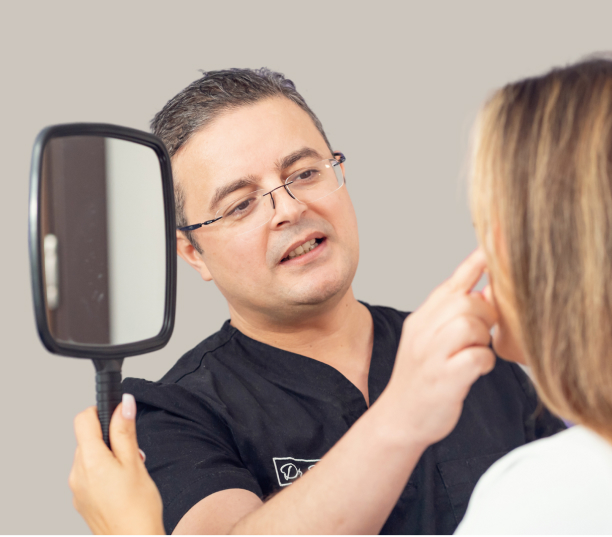
Microneedling performed by an untrained or under-qualified practitioner carries real risks — incorrect depth, poor sterile technique, and the absence of a proper skin assessment can all lead to adverse outcomes. At Dr. Salim Aesthetic Medicine, every microneedling treatment is carried out by Dr. Salim himself — a GMC-registered physician with a medical degree (2004), nine years of NHS experience, Level 7 accreditation in Aesthetic Medicine (the highest available in the UK), and training through the globally recognised Derma Institute. He also integrates ultrasound imaging into his practice for precise, safe treatment planning.
This level of clinical background matters particularly for patients with active breakouts, darker skin tones, or complex scarring — skin types that require careful assessment before treatment begins. A qualified medical aesthetic clinic will always conduct a full consultation first, assess contraindications, and create a treatment plan tailored to your skin — not a one-size-fits-all approach.
What Is Microneedling? A Quick Overview
If you’re new to the treatment, what microneedling is and how it really works goes into full detail on the mechanism, the science, and what differentiates a professional treatment from at-home derma rollers.
Conclusion
Microneedling is one of the few non-surgical treatments where the results are genuinely structural — driven by your own biology rather than a filler or surface product. For patients dealing with acne scars, early ageing, or persistently uneven skin, a course of sessions with a qualified practitioner consistently delivers meaningful improvement. If you’re based in Essex or East London and want an honest assessment of whether it’s right for your skin, book a consultation with Dr. Salim at our Hornchurch clinic.
Frequently Asked Questions
Q: How long does it take to see results from microneedling?
A: Skin brightness and texture can improve within the first week, but the more noticeable results — particularly for scarring and fine lines — typically appear after 4–6 weeks as collagen builds. Full results from a course of treatment often continue developing for 3–6 months.
Q: Is microneedling painful?
A: A topical numbing cream is applied before the procedure, which makes it well-tolerated for most people. Some patients describe a mild scratching sensation, but significant discomfort is uncommon.
Q: Who should avoid microneedling?
A: People with active skin infections, severe inflammatory acne, blood clotting conditions, or certain medications (such as blood thinners or Roaccutane) should discuss their history with a clinician before proceeding. A proper pre-treatment consultation is essential — not optional.
Q: How many sessions are needed?
A: Most patients see optimal results after 3–6 sessions, spaced 4–6 weeks apart. The exact number depends on the severity of the skin concern being treated.
Kind Words
From Our Clients
“Extremely happy with the service and procedure from Dr Salim. He was professional, patient and informative and I am very happy with the result and exceptional follow up service. Highly recommended.”

“Dr Salim is very professional and knowledgable. He listens and is sensitive to your problems. I would highly recommend Dr Salim for treatment. The clinical room in which I have meet with Dr Salim is private and clean. I highly recommend Dr Salim.”
“I had an initial assessment with Dr Salim. He was very professional and explained everything that would happen very clearly which helped to put me at ease. I had the opportunity to ask questions and did not feel pressurised. I would definitely recommend Dr Salim to anyone. A top service!”
“My experience with Dr.Salim was outstanding. Professional place where you can trust and know you are going to be well looked after. Dr. Salim is very skilled and knowledgeable .I have been a returned client as I find his procedures very effective. Couldn’t recommend more.”
“I had my Botox with the lovely Dr Salim who is both professional and reassuring and very informative. I was extremely happy with the results and this is where I will coming for any further treatments. I found the Botox used suited my face extremely well and felt a fresher look was definitely achieved soft but natural . Thank you Dr Salim”
“Amazing experience! I recently had botox treatment, and Dr Salim’s skillful approach and genuine care made me feel at ease from start to finish. He took time to listen to all my concerns, ensuring a personalised and effective treatment. I’m very happy with the results and would highly recommend him.”
Accreditations & Affiliations







Get In Touch
With Us Today