Dermal Filler Migration: Signs, Causes, and How Ultrasound-Guided Treatment Corrects It
September 28, 2026
Dermal fillers are widely used in aesthetic medicine, but like any injectable treatment, they can sometimes result in complications. Filler migration is one concern that may occur when filler moves away from its original treatment area. Understanding the signs, possible causes and available assessment options can help patients make informed decisions. If you are concerned about a previous treatment, consulting an aesthetic complications expert can help determine what may be happening and whether further treatment is appropriate.
Therefore, in this blog, we will explore dermal filler migration and its signs, causes , and how ultrasound-guided treatment corrects it.
What Are Dermal Fillers?
They are injectable products used for a variety of aesthetic purposes, including adding volume, enhancing facial contours and softening the appearance of certain lines and folds. Most modern dermal fillers used in aesthetic medicine contain hyaluronic acid, although formulations vary.
Why Can Filler Migration Occur?
Filler migration does not have one single cause. Several factors may contribute, including:
- The amount of filler injected
- Injection technique
- Product characteristics
- Treatment location
- Tissue movement
- Previous filler treatments
- Individual anatomy
Migration can sometimes be difficult to distinguish from swelling, normal post-treatment changes or simply filler that has been placed outside the area where it was originally intended.
What Does Dermal Filler Migration Look Like?
Filler migration may present differently depending on the treatment area and the amount of product involved.
Common Signs Around the Lips
When filler has moved beyond the intended lip area, some people may notice fullness above the upper lip or an uneven transition between the lip and surrounding skin. This is sometimes described as a “filler moustache”, although similar changes can have other causes.
Uneven or Unexpected Fullness
Migration may also appear as:
- Asymmetry
- Localised lumps
- Unusual fullness
- Changes in facial contours
- Palpable areas beneath the skin
However, these signs do not automatically mean filler has migrated.
Filler Migration vs Normal Post-Treatment Swelling
One of the most important distinctions is between migration and temporary swelling.
Lip Filler Swelling
Lip Filler Swelling Explained can help put early post-treatment changes into perspective. Swelling, tenderness and minor asymmetry can occur following lip injections and may temporarily alter the appearance of the lips and surrounding area. It can therefore be difficult to assess the final result immediately after treatment.
When Should You Have an Assessment?
If unexpected fullness, lumps or asymmetry persist beyond the expected recovery period, an assessment may help determine whether the issue is related to filler, scar tissue, inflammation or another cause. Patients should avoid assuming that every visible change is filler migration.
How Long Does Lip Filler Last?
The answer varies depending on the product, treatment area, amount used, individual metabolism and other factors. Some patients may have residual filler long after they believe the previous treatment has worn off. This is one reason why a detailed assessment can be useful before having additional filler or corrective treatment.
Why Can Previous Filler Make Correction More Complex?
Repeated treatments can result in multiple layers of filler being present within the same area.
Residual Filler May Be Difficult to Identify
Without imaging, it may not always be possible to determine precisely where filler remains beneath the skin. This can make treatment planning more challenging, particularly when a patient has had multiple procedures over time.
More Filler Is Not Always the Answer
Adding additional filler to correct an uneven appearance may not be appropriate if the existing product is contributing to the concern. A thorough assessment should take place before deciding whether further injectable treatment is suitable.
What Is Ultrasound-Guided Filler Assessment?
Ultrasound imaging can provide a real-time view of structures beneath the skin.
Identifying Filler Beneath the Skin
High-frequency ultrasound may help a trained practitioner identify the location and characteristics of filler deposits and distinguish them from surrounding tissue. This can provide information that cannot be obtained from looking at the skin’s surface alone.
Why Ultrasound Can Improve Treatment Planning
Instead of relying solely on appearance or palpation, ultrasound can provide additional anatomical information.
This can be particularly useful when:
- Previous filler history is unclear
- Multiple treatments have been performed
- The location of filler is uncertain
- There is persistent asymmetry
- A complication is suspected
How Can Ultrasound-Guided Treatment Correct Filler Migration?
When the filler is hyaluronic acid-based and hyaluronidase treatment is appropriate, ultrasound can help the practitioner identify the area needing treatment.
Targeted Treatment
Hyaluronidase is an enzyme that can break down hyaluronic acid filler. When used appropriately, it may be administered to areas where unwanted hyaluronic acid filler has been identified. Ultrasound guidance can help the practitioner visualise the relevant area and guide treatment more precisely.
Follow-Up Assessment
Correction may not always be a single-step process. Depending on the amount and location of filler, further assessment or treatment may be required. Your practitioner should explain what is appropriate for your individual situation.
What If the Filler Is Not Hyaluronic Acid?
Not all fillers are made from hyaluronic acid.
Different Fillers Require Different Approaches
Hyaluronidase specifically breaks down hyaluronic acid. It does not dissolve every type of dermal filler. If you are unsure which product was previously injected, provide as much information as possible, including the product name, clinic details and approximate treatment date.
When Should You Seek Professional Assessment?
You should consider seeking professional assessment if you have persistent or unexpected changes following filler treatment.
Seek Prompt Medical Attention for Concerning Symptoms
Certain symptoms following an injectable treatment can require urgent assessment. These may include severe or worsening pain, significant skin colour changes, unusual swelling, blistering, visual disturbances or other sudden symptoms. If you experience symptoms after a cosmetic procedure, seek appropriate medical attention promptly rather than attempting to manage the issue yourself.
How to Reduce the Risk of Filler Complications
While complications cannot always be prevented, choosing a qualified, experienced practitioner can help reduce risk.
Discuss Your Previous Treatment History
Tell your practitioner about previous filler treatments, including:
- Where filler was injected
- Approximate dates
- Product names, if known
- Amounts used
- Previous complications
- Any dissolving treatments
This information can help with assessment and treatment planning.
Avoid Unnecessary Repeat Treatments
Allowing previous treatment to be properly assessed before adding more filler can help avoid unnecessary product accumulation. A consultation should focus on your actual concern and the most appropriate treatment option rather than automatically adding more volume.
Ultrasound-Guided Correction With Dr Salim
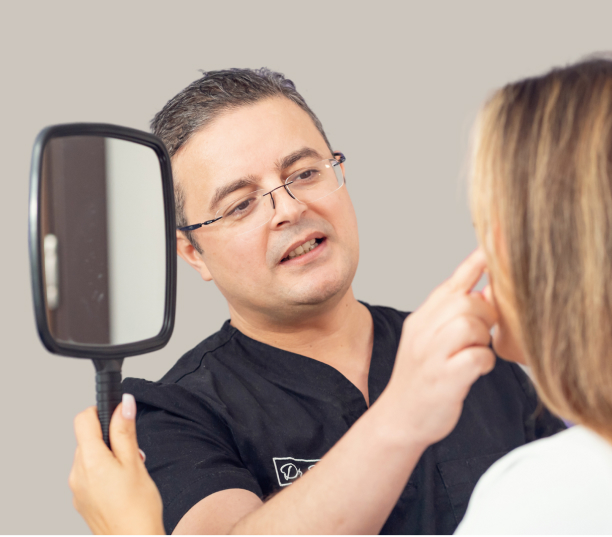
At Dr Salim Aesthetic Medicine, patients concerned about possible filler migration can receive a detailed assessment of their previous treatment and current concerns. Where appropriate, ultrasound imaging may be used to provide additional information about filler location before a corrective approach is considered. Dr Salim can discuss the findings, available options and realistic expectations based on the individual case.
Conclusion
In conclusion, Dermal filler migration can be difficult to identify from appearance alone, particularly when previous treatments, swelling or multiple filler layers are involved. A detailed clinical assessment can help distinguish possible migration from other causes of unexpected changes. Where appropriate, ultrasound can provide additional information about the location of filler and help guide treatment planning. For hyaluronic acid filler, hyaluronidase may be considered in suitable cases. The safest approach is to seek assessment from an appropriately qualified practitioner rather than attempting to correct suspected filler complications without professional guidance.
Frequently Asked Questions
Q: Can dermal filler really migrate?
A: Yes, filler can sometimes move beyond the area where it was originally placed, although swelling, tissue changes and other factors can look similar. Professional assessment is important before concluding.
Q: How can I tell if my lip filler has migrated?
A: Persistent fullness outside the intended treatment area, uneven contours or palpable lumps may raise the possibility of migration. However, these signs can have other causes and should be professionally assessed.
Q: Can ultrasound detect migrated filler?
A: Ultrasound can provide detailed imaging of tissues beneath the skin and may help an experienced practitioner identify filler deposits and their location.
Q: Can migrated filler be dissolved?
A: If the filler is hyaluronic acid-based, hyaluronidase may be considered to break it down. Suitability depends on the individual circumstances and should be assessed by a qualified practitioner.
Q: Does hyaluronidase dissolve all types of filler?
A: No. Hyaluronidase acts on hyaluronic acid and does not dissolve every type of dermal filler.
Q: Can filler migration happen years after treatment?
A: Residual filler can sometimes remain for longer than expected. Changes that appear much later should be assessed rather than automatically attributed to migration.
Q: Should I have more filler to correct an uneven result?
A: Not necessarily. If existing filler is contributing to the concern, adding more products may not be appropriate. Assessment should come first.
Kind Words
From Our Clients
“Extremely happy with the service and procedure from Dr Salim. He was professional, patient and informative and I am very happy with the result and exceptional follow up service. Highly recommended.”

“Dr Salim is very professional and knowledgable. He listens and is sensitive to your problems. I would highly recommend Dr Salim for treatment. The clinical room in which I have meet with Dr Salim is private and clean. I highly recommend Dr Salim.”
“I had an initial assessment with Dr Salim. He was very professional and explained everything that would happen very clearly which helped to put me at ease. I had the opportunity to ask questions and did not feel pressurised. I would definitely recommend Dr Salim to anyone. A top service!”
“My experience with Dr.Salim was outstanding. Professional place where you can trust and know you are going to be well looked after. Dr. Salim is very skilled and knowledgeable .I have been a returned client as I find his procedures very effective. Couldn’t recommend more.”
“I had my Botox with the lovely Dr Salim who is both professional and reassuring and very informative. I was extremely happy with the results and this is where I will coming for any further treatments. I found the Botox used suited my face extremely well and felt a fresher look was definitely achieved soft but natural . Thank you Dr Salim”
“Amazing experience! I recently had botox treatment, and Dr Salim’s skillful approach and genuine care made me feel at ease from start to finish. He took time to listen to all my concerns, ensuring a personalised and effective treatment. I’m very happy with the results and would highly recommend him.”
Accreditations & Affiliations








Get In Touch
With Us Today