Lipoma Removal Treatment
Safe, Minimally Invasive Lipoma Removal for Smooth Skin
Lipomas are soft, fatty lumps that may occur under your skin and can lead to discomfort or affect your physical appearance. Our experienced practitioners offer personalised treatment options to help you achieve the best possible results.
Lipoma removal is usually a generally a simple procedure that performed using local anaesthetic. This procedure involves the careful removal of the fatty lump, ensuring minimal damage to the surrounding tissue. This process usually takes between 20 and 60 minutes, depending on the size and location of the lipoma.
What Exactly Is a Lipoma?
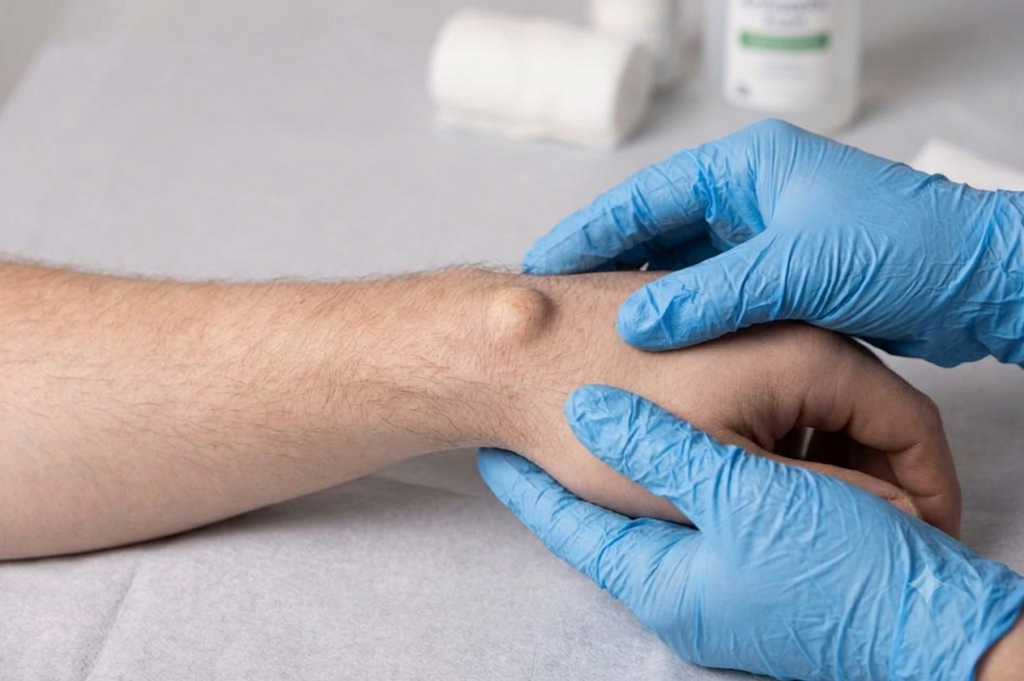
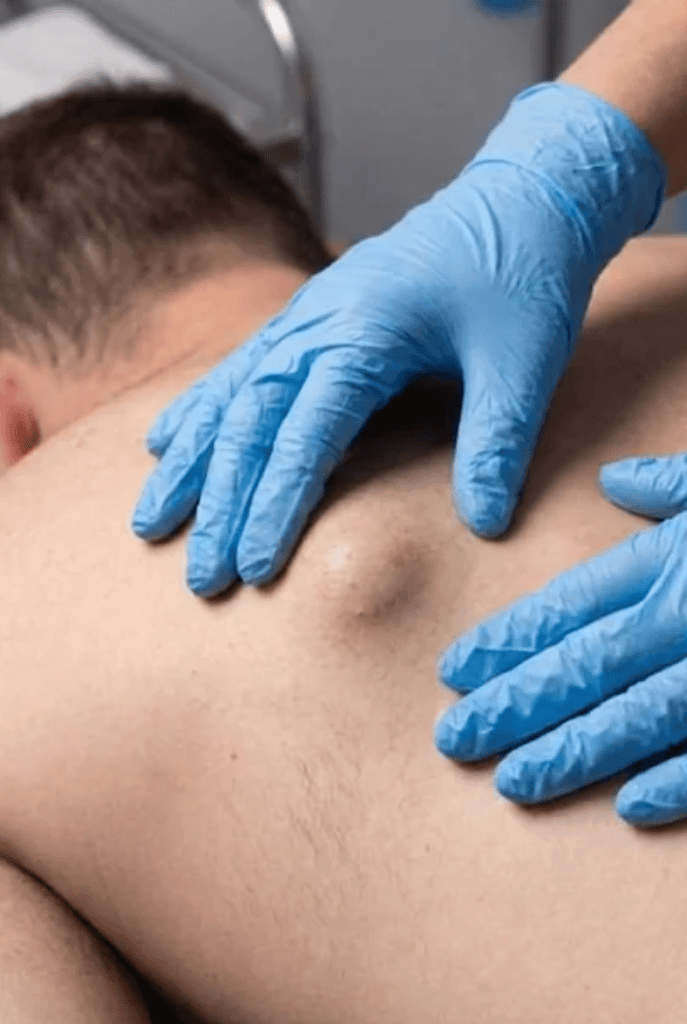
Lipomas are soft lumps of fatty tissue that grow under the skin. They usually develop in the fatty tissue beneath the skin, between the skin and underlying muscle. Lipomas are made up of fat cells and are generally non-cancerous (benign), meaning they are usually harmless. They typically have a soft, doughy texture and can usually move slightly when pressed. Their size can vary, ranging from small lumps to much larger growths.
Lipomas can appear anywhere on the body but are more common around the neck, shoulders, back, arms, and thighs.
Even though this fatty lump under the skin can develop at any age, they tend to affect adults aged 40 to 60 years more frequently than any other age group. They are usually slow-growing tumours that can stay the same size for a long time without any noticeable symptoms.
When is Lipoma Removal Treatment Required?
Lipoma removal is normally a non-emergency procedure because the process does not have to be done immediately. In specific situations, lipoma removal surgery might be required; for instance:
- Pain or Discomfort: If the lipoma is painful, tender, or uncomfortable due to its closeness to surrounding nerves or tissues.
- Problematic Location: If the lipoma is formed in sensitive parts of the body like the face, hands, or joints and disrupts bodily movement or daily activities.
- Increase in Size: If the lipoma keeps growing, and there are changes in its growth.
- Uncertain Diagnosis: If the lump is hard, fixed, painful, or growing quickly, additional testing may be needed to ensure it is not something else, including rare soft tissue cancers.
- Cosmetic Concerns: If the lump makes you feel self-conscious about your looks.
If a lipoma is small, proven harmless, and causes no pain or complications, treatment may not be necessary. In such scenarios, monitoring may be recommended by a specialist
Benefits of Lipoma Removal Treatment
Long-Lasting Results:
After the lipoma is completely removed, there are very few chances of it developing in the same place again. The procedure helps remove unwanted fatty lumps, improving the appearance and comfort of the affected area.
No General Anaesthesia Required:
Most lipoma removal procedures can be carried out using a local anaesthetic, which numbs the treatment area. This eliminates the need for general anaesthesia in most cases and makes it possible for the patient to go back home the same day.
Multiple Lipoma Removal:
If there are multiple lipomas present, several may be removed during a single appointment, depending on how many there are, their location, and your overall suitability for the procedure. This can help reduce the need for multiple visits.
Our Lipoma Removal Treatment Process
- 1
Initial Consultation, Assessment and Diagnosis
The lump is analysed through a medical consultation, physical examination, and palpation. An ultrasound can also be recommended to determine its size, position, and other traits. In some cases, a patient might need a CT or MRI scan before the surgery. After the diagnosis is verified, the practitioner explains the procedure and gets your consent.
- 2
Local Anaesthesia and Surgical Procedure
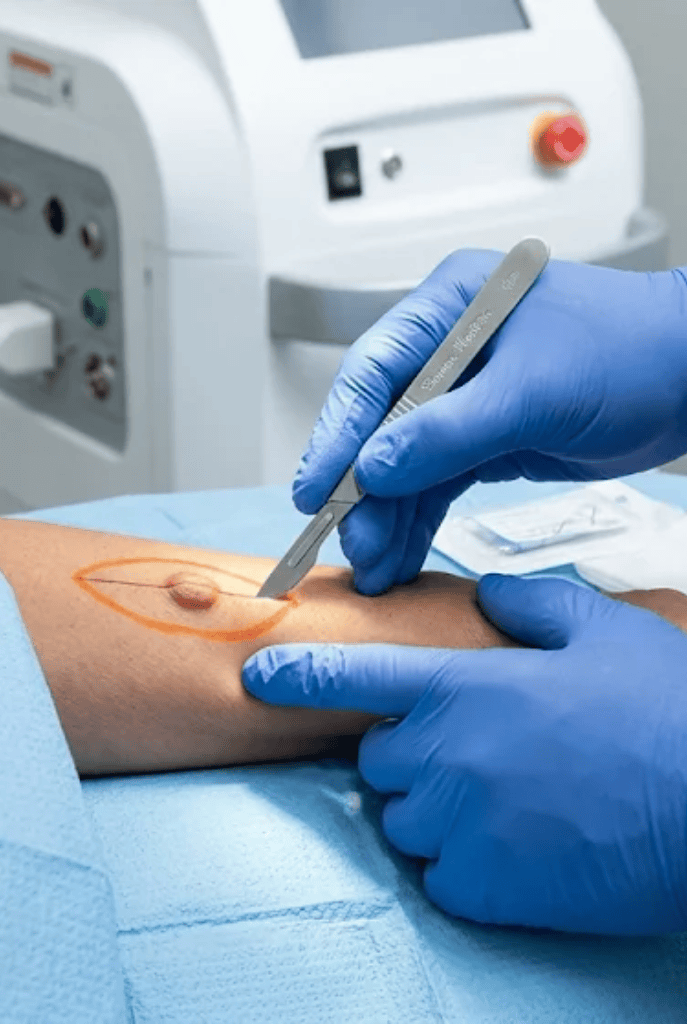
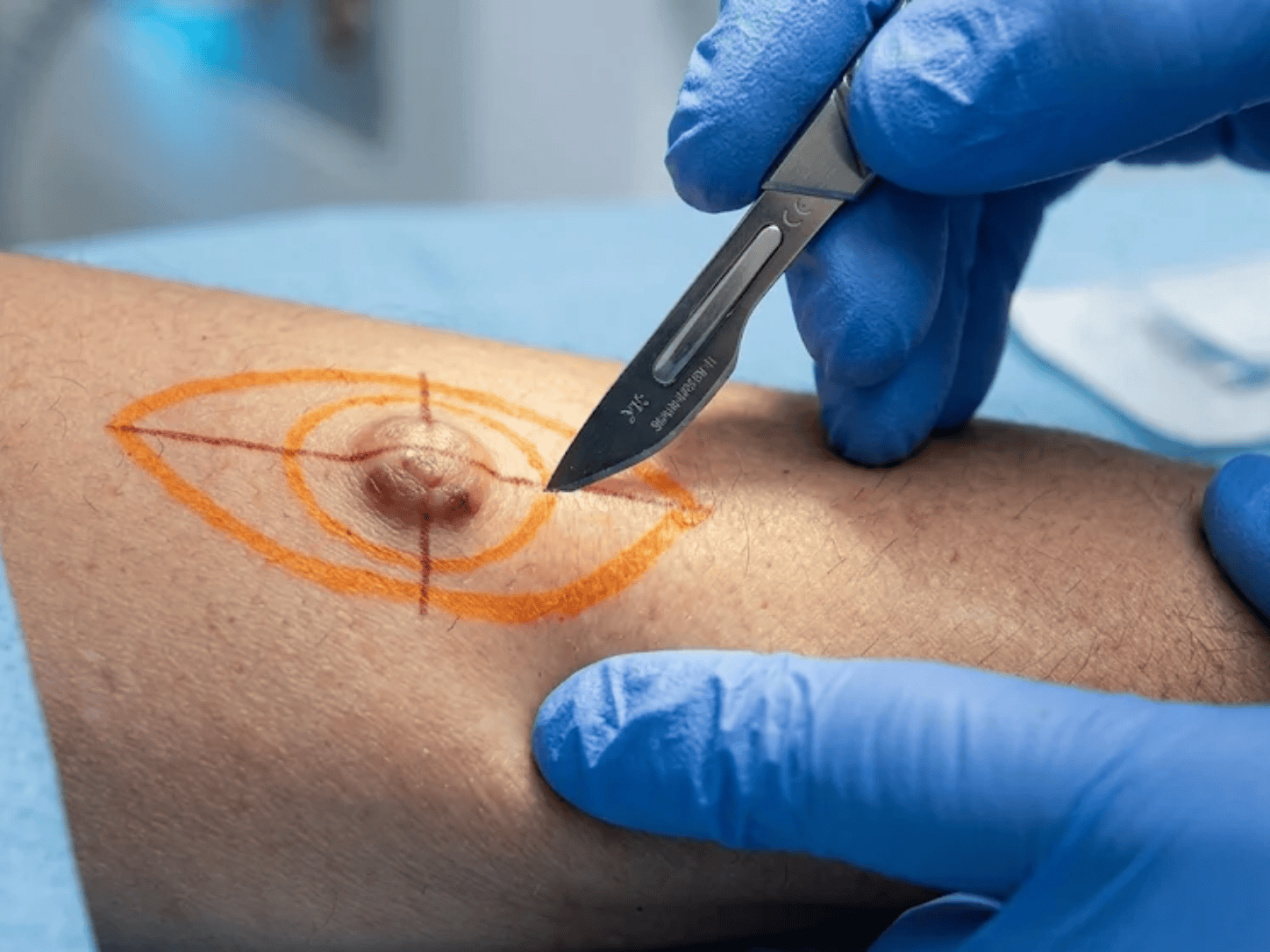
Local anaesthesia is given to numb the area of the procedure. After the process has taken effect, a small cut is made in the skin. Then, the lipoma is carefully removed from the tissue beneath the skin. The incision is as small as possible before being closed with stitches. In some instances, a small drain is inserted to avoid fluid retention or blood from accumulating after surgery. The drain is removed several days after the operation.
- 3
Stitch Removal and Recovery Follow-up
You will have a follow-up appointment to monitor your recovery and check the surgical wound. Stitches are usually taken out within a week or two after the surgery, depending on the procedure. After surgery, you will receive instructions on wound care, bathing, and physical activity. Strenuous exercise should be avoided until the wound has healed sufficiently.
- 4
Histopathological Examination
The removed tissue can undergo pathological testing to confirm the diagnosis. The specialist will examine the tissue through a microscope to determine its nature and whether there are any unusual changes. Once the results are available, you will be informed during a follow-up appointment, where the wound will also be checked to ensure proper healing. The surgical removal of a lipoma is generally followed by routine monitoring to assess recovery.
Treatment for Lipoma Removal
Surgical Excision:
Surgical excision is a very popular and effective way to remove lipomas. This process entails the removal of the fatty tissue along with its surrounding capsule, if possible, to decrease the chances of regrowth. This surgical lipoma removal is especially efficient in removing large, deep, and uncomfortable lipomas.
Procedure Details: The procedure is generally carried out using local anaesthesia. However, general anaesthesia might be necessary if there are large lipomas or multiple lipomas. An incision is made over the lump, allowing the surgeon to carefully remove the lipoma and its surrounding capsule where possible.
Recovery and Scarring: Once the lipoma is removed, the incision is closed with stitches. The scarring is generally small, especially if done by an experienced surgeon. However, recovery time depends on the size of the lipoma.
Recovery and Aftercare After Lipoma Removal
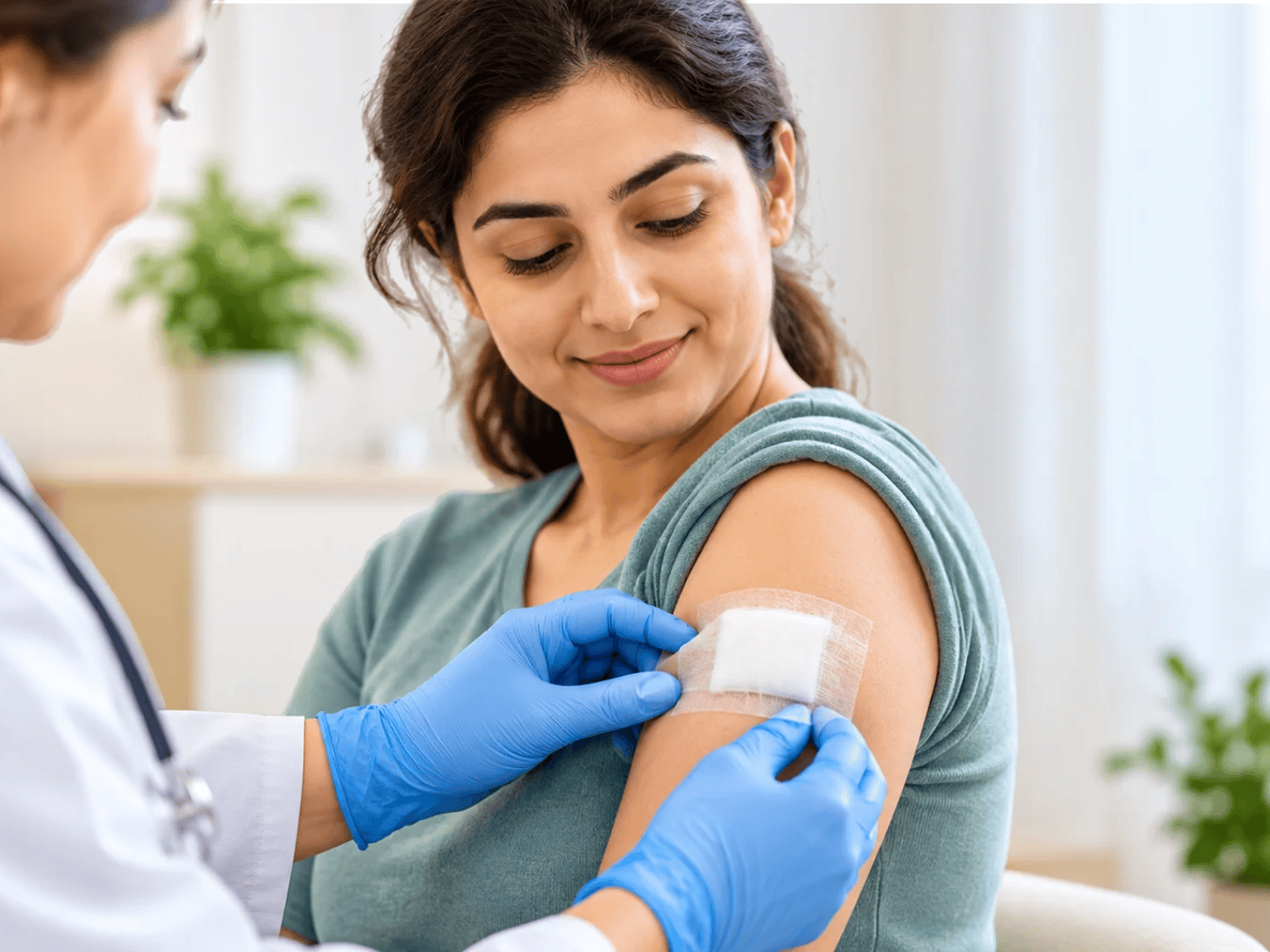
Lipoma removal recovery depends on the procedure type, lump size, and treatment area. Adherence to the recommendations of the practitioner is vital in helping you heal properly and prevent complications. In cases of surgery, it is important to keep the wound clean and have check-ups for wound and stitch removal.
Recovery Tips:
- Limit heavy lifting, exercise, and activities that may put pressure on the treated area until your wound has healed.
- Keep scheduled visits to ensure the treated area is healing properly and address any concerns..
- Contact your healthcare practitioner if you notice increasing redness, swelling, pain, warmth, fever, or unusual discharge from the wound.
- Once the wound has completely healed, silicone gel or sheets may help improve the appearance of scars.
- Keep the surgical area clean and follow your specialist’s instructions regarding bathing and dressing changes.
Why Choose Dr Salim?
Safe & Precise Lipoma Removal Treatment
Our services include safe, effective lipoma removal using appropriate surgical techniques and thorough clinical assessment. We carefully examine each case to determine the most appropriate treatment approach based on the lipoma’s size, location, and characteristics.
Expert Care You Can Trust
Our GMC-registered doctor, Dr Salim, is a Member of the Royal College of Surgeons of Edinburgh and Level 7 qualified in aesthetic medicine, the UK’s highest regulated qualification in this field. With 19 years of surgical experience, including 9 years in the NHS, he delivers safe, precise, and nourishing aesthetic treatments you can trust.
Our Treatment Pricing
Note: The total cost will differ depending on the type of lipoma, its size, and its complexity. This is the reason for the consultation; our clinician will be able to examine your lipoma and give you a proper cost estimate.
FREQUENTLY ASKED QUESTIONS
If you have any questions about lipoma removal treatment, get in touch with us using the contact form below. Our team is here to guide you and help you choose the most suitable treatment option.
Accreditations & Affiliations




Get In Touch
With Us Today