Sclerotherapy for Spider Veins: How It Works, What to Expect, and Results
June 23, 2026
Anyone comparing treatment options for visible leg or facial veins will quickly find that sclerotherapy for spider veins is the most widely recommended approach, and for good reason. A sclerosant solution is injected directly into the vein, causing it to collapse and seal shut, after which the body gradually reabsorbs the closed vessel over several weeks.
This guide covers what actually happens during treatment, the specific solutions used, what recovery realistically looks like, and the results you can expect. As with any medical procedure, individual results vary, and a consultation is required to assess whether sclerotherapy is suitable for you.
What Sclerotherapy Actually Involves
The solution injected is called a sclerosant. The two most commonly used in UK clinics are sodium tetradecyl sulphate and polidocanol — both work by irritating the inner lining of the vein, triggering an inflammatory response that causes the vein walls to stick together and close.
There are two main delivery methods:
- Liquid sclerotherapy — the traditional approach, typically used for smaller, more superficial spider veins
- Microfoam sclerotherapy — mixes the solution with air to create a foam, which can displace blood within the vein more effectively and improve contact between the solution and the vein wall
Foam is often preferred for slightly larger veins or clusters, though the choice between liquid and foam — and the concentration used — depends on the individual case and is a clinical decision made by your practitioner at the time of treatment, based on vein size, depth, and pattern.
Why Spider Veins Develop
Spider veins form when small blood vessels near the skin’s surface weaken and dilate. Several factors are commonly associated with their development:
- Genetics — a family history of spider or varicose veins is one of the strongest risk indicators
- Hormonal changes — particularly during pregnancy or with long-term hormonal contraception, as oestrogen can affect vein wall elasticity
- Prolonged standing or sitting — increases pressure in the leg veins over time
- Ageing — naturally reduces vein wall strength and elasticity
- Sun exposure — particularly relevant for facial spider veins, where UV exposure weakens small surface vessels
Understanding which of these factors applies to you can help set realistic expectations. Sclerotherapy treats existing veins — it doesn’t change the underlying tendency to develop new ones if genetics or lifestyle factors persist.
Who Is Sclerotherapy Suitable For?
Sclerotherapy is generally suitable for adults with visible spider veins or small varicose veins, particularly on the legs, who are in good general health. It tends to work well for isolated veins, smaller clusters, and reticular (feeder) veins feeding a spider vein network.
It may not be appropriate for everyone. Pregnant patients, those with certain clotting disorders, a history of deep vein thrombosis, or active skin infection in the treatment area are typically advised against treatment until those factors are resolved or reviewed. This is exactly the kind of detail a proper consultation is designed to assess — bring any relevant medical history with you so your practitioner can give you an accurate, individual recommendation.
What Happens During Treatment
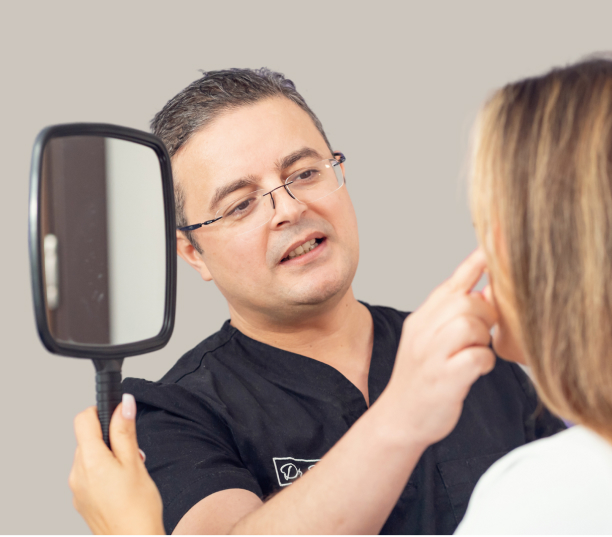
A consultation comes first. At this stage, your veins are assessed, an appropriate solution and technique are discussed, and a realistic treatment plan is agreed based on your goals and medical history.
On the day of treatment:
- The treatment area is cleaned
- A fine needle is used to inject the sclerosant directly into the target vein
- Multiple veins may be treated within a single session
- Most patients need little to no anaesthesia — typically a brief stinging or mild burning sensation at the injection site
- A full session usually takes between 15 and 45 minutes, depending on the number of veins treated
Most people return to normal activity the same day. Gentle walking is actually encouraged immediately afterwards, as movement supports healthy blood flow during the healing process.
Recovery and Aftercare
Recovery from sclerotherapy is generally minimal compared to surgical alternatives, though a few things genuinely influence how well the treated veins respond.
Compression stockings. These are usually recommended for 2 to 14 days after treatment, particularly for leg veins. Compression helps support the treated vein while it heals and is one of the most important — and most often overlooked — parts of aftercare. Patients who wear compression consistently as advised tend to report more even, consistent results.
Common temporary effects. In the days following treatment, you may notice:
- Mild redness or swelling at the injection sites
- Bruising
- Tenderness
- Slight skin discolouration over the treated vein, which usually fades gradually over the following weeks
Strenuous exercise is usually best avoided for a short period after treatment, while gentle walking is encouraged throughout recovery.
What Results Can You Expect?
At a glance:
- Initial fading: often visible within 3–6 weeks
- Full resorption of larger veins: can take up to around 3 months
- Sessions typically needed: 1 session for isolated veins; 2–4 sessions, spaced 4–6 weeks apart, for larger clusters
- Recurrence: treated veins typically do not return, though new spider veins can develop over time
Results build gradually rather than appearing immediately, as the body needs time to reabsorb the treated vein. Smaller veins tend to fade faster than larger ones. The number of sessions needed depends on the size and number of veins, their location, and how your individual veins respond to treatment — which is why outcomes vary from person to person.
Once a vein has closed and been reabsorbed, it typically does not return. Sclerotherapy treats the veins present at the time of treatment, but it doesn’t prevent new spider veins from forming in future if contributing factors such as genetics or prolonged standing remain unchanged. Some patients choose occasional follow-up treatment for new veins as part of ongoing vein health management — this is a normal part of the long-term picture rather than a sign the original treatment was unsuccessful.
Considering Treatment? Here’s a Good Next Step
If you’re weighing up whether sclerotherapy is right for your veins, a short consultation is usually the most useful next step — it allows a practitioner to look at your specific veins and give you a realistic, individual recommendation rather than a generic answer.
Sclerotherapy or Laser — Which Is Right for You?
Sclerotherapy and laser treatment both have an established place in vein removal, and the most appropriate option depends on the size, depth, and location of the veins involved. As a general guide, sclerotherapy is often favoured for leg veins and larger visible clusters, while laser may be better suited to fine, superficial facial veins — though this varies by presentation and clinical judgement. For a full breakdown of how the two compare, including cost and comfort, our detailed laser vs sclerotherapy comparison covers this in depth.
What Affects the Cost of Treatment
Pricing for sclerotherapy varies based on several factors:
- The size of the area being treated
- The number of veins involved
- How many sessions are likely to be needed
- The experience of the practitioner performing the procedure
A personalised consultation is the most reliable way to get an accurate quote, since vein presentation varies significantly from one patient to the next.
Getting the Best Results From Treatment
A few things can genuinely support better outcomes from sclerotherapy:
- Wearing compression stockings exactly as advised, to support proper healing
- Staying active with regular movement, rather than long periods of standing or sitting still
- Attending follow-up appointments so your practitioner can assess progress and advise on any further sessions
In my experience treating spider veins at the clinic in Hornchurch, patients who follow aftercare guidance consistently — particularly the compression stocking recommendation — tend to report more predictable and even results across multiple treated veins. As always, individual anatomy and medical history play a role, and outcomes can vary between patients.
Conclusion
Sclerotherapy remains one of the most established and widely used treatments for spider veins, particularly on the legs. The procedure itself is quick, recovery is generally minimal, and results — while gradual — tend to be reliable when an appropriate solution and technique are matched to your individual veins. As with any medical treatment, outcomes vary between patients and a consultation is needed to assess suitability for your specific case.
If you’re considering treatment, a consultation is the right starting point. Choosing a reliable medical aesthetic clinic, such as Dr Salim Aesthetic Medicine, can be an ideal choice for sclerotherapy and spider veins treatment
Frequently Asked Questions
Q: Is sclerotherapy painful?
A: Most patients describe a brief stinging or mild burning sensation as the solution is injected, rather than significant pain. Little to no anaesthesia is typically needed. Sensitivity can vary between individuals.
Q: How many sclerotherapy sessions will I need?
A: This depends on the size and number of veins being treated. Some patients with a small number of isolated spider veins see their desired result after a single session, while others with larger clusters typically need two to four sessions spaced four to six weeks apart.
Q: How long does a sclerotherapy session take?
A: A typical appointment takes between 15 and 45 minutes, depending on how many veins are being treated and their size.
Q: What are the side effects of sclerotherapy?
A: Mild bruising, redness, swelling, and tenderness at injection sites are common and usually temporary, often resolving within one to two weeks. Some patients notice slight skin discolouration over the treated vein, which generally fades as the area heals.
Q: Do I need to wear compression stockings after treatment?
A: For most leg vein treatments, yes — compression is usually recommended for several days to two weeks following treatment. It supports the treated vein during healing and is generally associated with more consistent results.
Q: Will spider veins come back after sclerotherapy?
A: A successfully treated vein typically does not return. However, new spider veins can develop over time due to ongoing factors like genetics, hormonal changes, or prolonged standing, which is why some patients choose occasional follow-up treatment as part of long-term vein health management.
Individual results vary. This content is for general information and does not replace personalised medical advice — a consultation is required to assess whether sclerotherapy is suitable for you.
Kind Words
From Our Clients
“Extremely happy with the service and procedure from Dr Salim. He was professional, patient and informative and I am very happy with the result and exceptional follow up service. Highly recommended.”

“Dr Salim is very professional and knowledgable. He listens and is sensitive to your problems. I would highly recommend Dr Salim for treatment. The clinical room in which I have meet with Dr Salim is private and clean. I highly recommend Dr Salim.”
“I had an initial assessment with Dr Salim. He was very professional and explained everything that would happen very clearly which helped to put me at ease. I had the opportunity to ask questions and did not feel pressurised. I would definitely recommend Dr Salim to anyone. A top service!”
“My experience with Dr.Salim was outstanding. Professional place where you can trust and know you are going to be well looked after. Dr. Salim is very skilled and knowledgeable .I have been a returned client as I find his procedures very effective. Couldn’t recommend more.”
“I had my Botox with the lovely Dr Salim who is both professional and reassuring and very informative. I was extremely happy with the results and this is where I will coming for any further treatments. I found the Botox used suited my face extremely well and felt a fresher look was definitely achieved soft but natural . Thank you Dr Salim”
“Amazing experience! I recently had botox treatment, and Dr Salim’s skillful approach and genuine care made me feel at ease from start to finish. He took time to listen to all my concerns, ensuring a personalised and effective treatment. I’m very happy with the results and would highly recommend him.”
Accreditations & Affiliations







Get In Touch
With Us Today