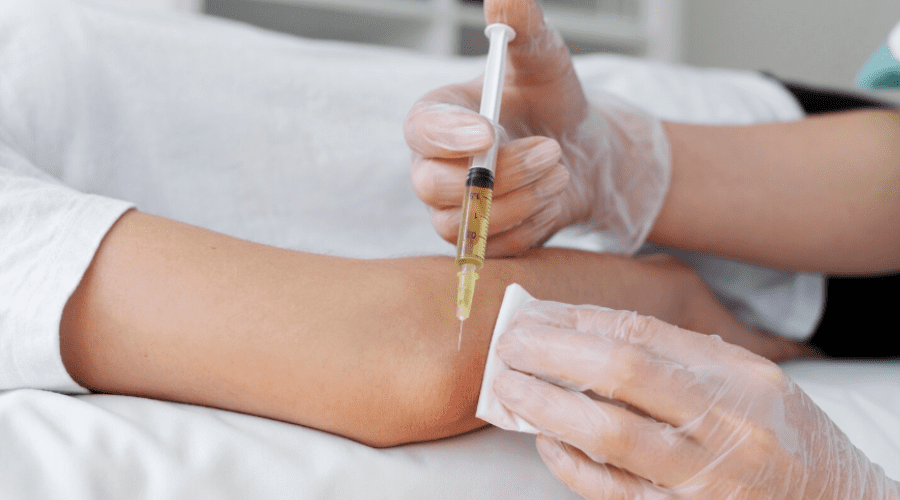
PRP joint and soft tissue injection:
Regenerate, Recover, and Move Better with PRP
PRP Injections are an advanced, natural treatment that uses your body’s own platelet-rich plasma to promote healing, reduce inflammation, and support tissue regeneration. At Dr Salim Aesthetic Medicine, we provide expertly administered Joint PRP Injection therapies designed to target pain and improve mobility without the need for invasive procedures.
As a trusted provider of Non-surgical joint pain treatment in London, our PRP injections are highly effective for treating a range of joint concerns, including the knee (one of the most in-demand treatments), shoulder, elbow, wrist, hand, hip, ankle, and foot. Each treatment is tailored to your condition, helping you recover naturally while restoring comfort and function so you can get back to your daily activities with confidence.
How do PRP Injections Work?
PRP injections work by harnessing the body’s natural healing ability through platelet-rich plasma injections. A small sample of your blood is taken and processed to concentrate the platelets, which are rich in growth factors that support tissue repair and regeneration. Once injected into the targeted area, the PRP stimulates healing, reduces inflammation, and promotes faster recovery. It is an effective, non-surgical solution for improving joint function, relieving discomfort, and supporting long-term wellness.
Get in Touch
Complete the form, and our team will call you back shortly to arrange your appointment
Where Experience Meets Trust

2500+ Satisfied Customers

Ultrasound Imaging Technology
Aesthetic Medicine Expert

20 years of experience

Operating in 2 Locations
PRP INJECTIONS AT A GLANCE:
What To Expect From Your Treatment

Treatment Time:
PRP injections typically take around 20 minutes for the treatment

Recovery Time:
Recovery from PRP injections is usually quick, with most people resuming normal activities within 1-2 days

Longevity:
Results from PRP injections can last for 6-18 months and you can see the best results after a course of 3 treatments.

Pain level:
Pain levels during PRP injections are generally mild to moderate, with minimal discomfort. (Local anesthesia is used to improve the overall experience)

Results:
The results are visible post the treatment within 2 to 6 weeks, peak response 8 to 12 weeks.
Accreditations & Affiliations








PRP & its Versatile Treatment
PRP treatment is a versatile option that can effectively manage various orthopaedic conditions:
MSK (Musculoskeletal) PRP Injections: Specific Indications
PRP in this case is particularly effective for musculoskeletal conditions involving
degenerative or overuse injuries. The different conditions for PRP Injections include:
Osteoarthritis ( Knee, Hip, and Shoulder)
Osteoarthritis is a degenerative joint condition that causes cartilage breakdown, leading to pain, stiffness, and reduced mobility in the knee, hip, or shoulder. PRP injections for knee osteoarthritis use concentrated platelets from the patient’s own blood to help reduce inflammation, support tissue repair, and improve joint function. PRP therapy may offer a non-surgical option for managing osteoarthritis-related symptoms and enhancing quality of life.
Tendon Injuries ( Tennis Elbow and Achilles Tendinopathy)
Tendon injuries such as tennis elbow and Achilles tendinopathy can cause persistent pain, stiffness, and reduced mobility. PRP treatment may help support tendon healing, reduce inflammation, and improve function by delivering concentrated growth factors to the affected area.
PRP can also be highly effective for:
- Lateral epicondylitis (Tennis Elbow)
- Medial epicondylitis (Golfer’s Elbow)
- Achilles tendinopathy
- Rotator cuff tears (partial)
- Patellar tendinopathy (Jumper’s Knee)
- Gluteal tendinopathy/hip bursitis
- Plantar fasciitis
Ligament Sprains and Muscle Injuries
It is a suitable choice for the athletes as they often use PRP to accelerate recovery from acute muscle tears and sprains caused by sudden movements, overuse, or sports-related activities, causing pain, swelling, and limited mobility. PRP treatment may help support tissue repair and promote the body’s natural healing process for faster recovery.
Don’t let pain hold you back! Explore the benefits of MSK PRP injections and speak with our team for a personalised treatment plan.
Kind Words
From Our Clients
“Extremely happy with the service and procedure from Dr Salim. He was professional, patient and informative and I am very happy with the result and exceptional follow up service. Highly recommended.”

“Dr Salim is very professional and knowledgable. He listens and is sensitive to your problems. I would highly recommend Dr Salim for treatment. The clinical room in which I have meet with Dr Salim is private and clean. I highly recommend Dr Salim.”
“I had an initial assessment with Dr Salim. He was very professional and explained everything that would happen very clearly which helped to put me at ease. I had the opportunity to ask questions and did not feel pressurised. I would definitely recommend Dr Salim to anyone. A top service!”
“My experience with Dr.Salim was outstanding. Professional place where you can trust and know you are going to be well looked after. Dr. Salim is very skilled and knowledgeable .I have been a returned client as I find his procedures very effective. Couldn’t recommend more.”
“I had my Botox with the lovely Dr Salim who is both professional and reassuring and very informative. I was extremely happy with the results and this is where I will coming for any further treatments. I found the Botox used suited my face extremely well and felt a fresher look was definitely achieved soft but natural . Thank you Dr Salim”
“Amazing experience! I recently had botox treatment, and Dr Salim’s skillful approach and genuine care made me feel at ease from start to finish. He took time to listen to all my concerns, ensuring a personalised and effective treatment. I’m very happy with the results and would highly recommend him.”
Process of The
Platelet-Rich Plasma Injections
PRP injections are a safe and effective treatment that uses your body’s natural healing properties to support recovery and reduce discomfort. Commonly used as PRP injections for joint pain, this process focuses on repairing damaged tissues, reducing inflammation, and improving mobility without the need for surgery.
Process of Platelet-Rich Plasma (PRP) Injections:
- Initial Consultation:
The process begins with a detailed consultation where your condition is assessed, and a personalised treatment plan is created to determine if PRP is suitable for you. - Blood Collection:
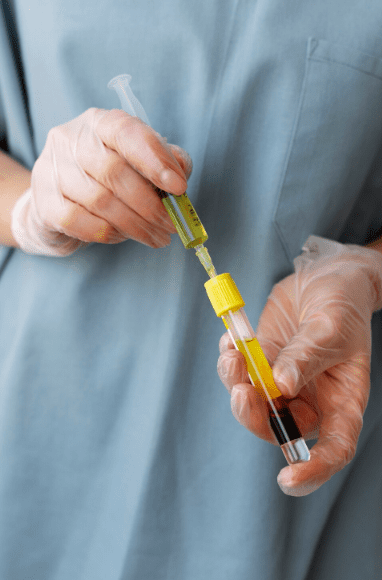
A small sample of your blood is drawn, similar to a routine blood test. This sample is used to prepare the platelet-rich plasma. - Centrifugation Process:
The collected blood is placed in a centrifuge, which spins rapidly to separate the platelet-rich plasma from other blood components. - Preparation of PRP:
The concentrated platelets, rich in growth factors, are carefully extracted and prepared for injection. - Targeted Injection:
The PRP is then injected into the affected joint or area using precise techniques. This is where PRP injections for joint pain work to stimulate healing and tissue regeneration. - Post-Treatment Care
After the procedure, patients are given guidance on activity levels and aftercare to support optimal healing and results.
Overall, this step-by-step process ensures that PRP injections deliver targeted, natural healing to improve joint function, reduce pain, and support long-term recovery.
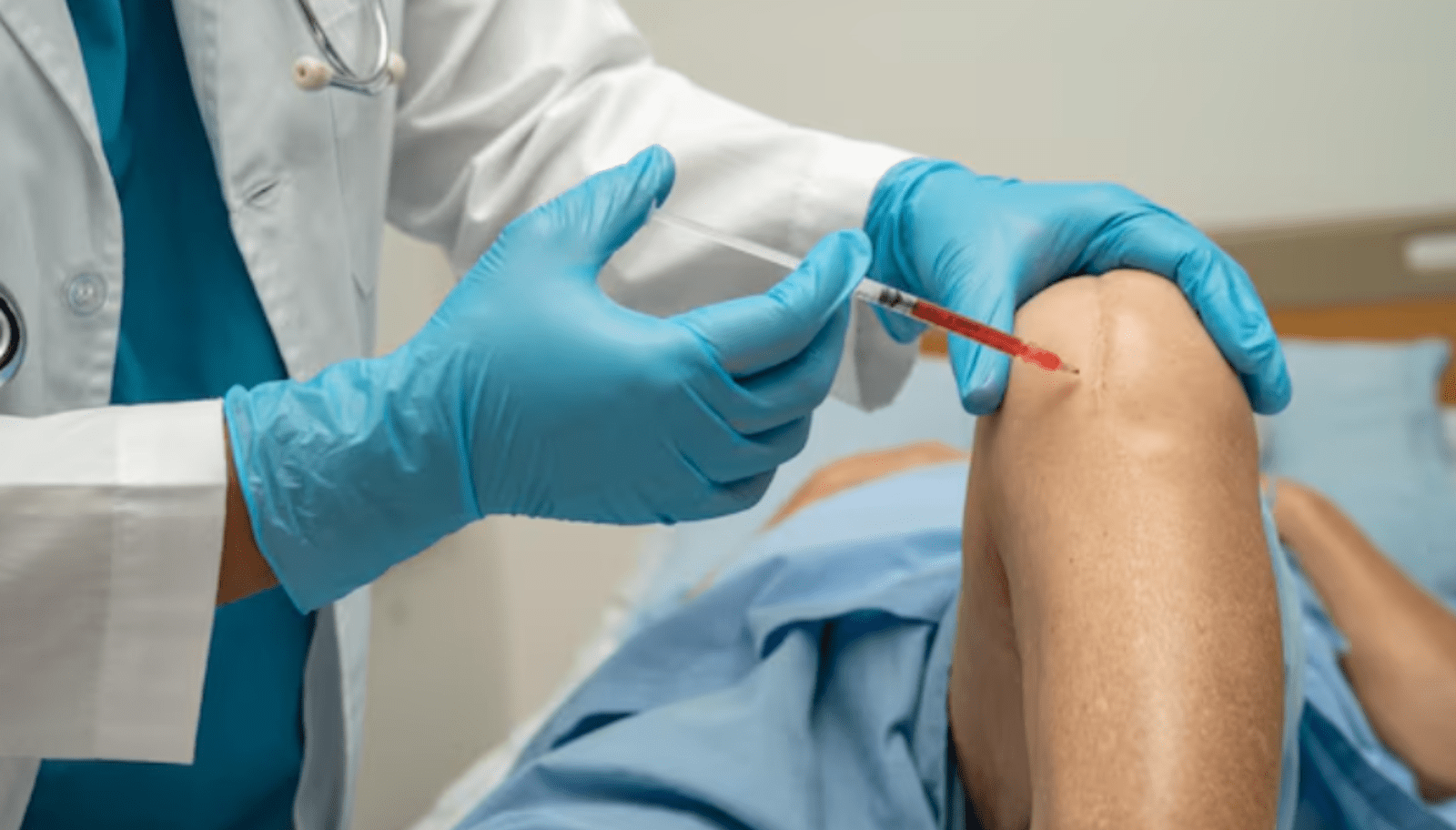
Post Procedure Care: PRP Injections
Proper post-procedure care is essential to maximise the effectiveness of PRP treatment and support a smooth recovery. After a PRP injection for the knee, it is important to rest the treated area for the first 24–48 hours and avoid strenuous activities that may strain the joint. Mild swelling or discomfort is normal and can be managed with a cold compress, while anti-inflammatory medications should be avoided as they may interfere with the body’s natural healing response. Gradually returning to normal activities, staying well-hydrated, and following your practitioner’s advice will help enhance healing, improve mobility, and ensure long-lasting results.
PRP Injections: Risks & Complications
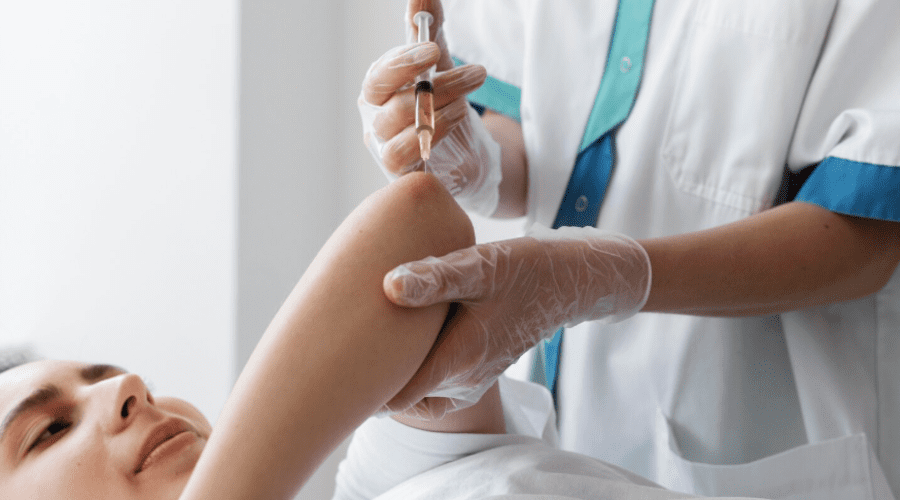
PRP injections are generally considered a safe and minimally invasive treatment, but like any medical procedure, they may carry some risks and potential complications. When used as PRP for arthritis or PRP for sports injury recovery to moderate osteoarthritis and tendinopathies (tennis and golfer elbows). Most of the patients experience mild and temporary side effects such as swelling, soreness, or slight bruising at the injection site.
In rare cases, there may be a risk of infection, nerve irritation, or no noticeable improvement in symptoms. However, because PRP uses your own blood, the risk of allergic reaction is extremely low. Choosing a qualified practitioner and following proper aftercare guidelines can significantly minimise these risks while ensuring safe and effective treatment outcomes.
What are The Frequency of PRP Injections?
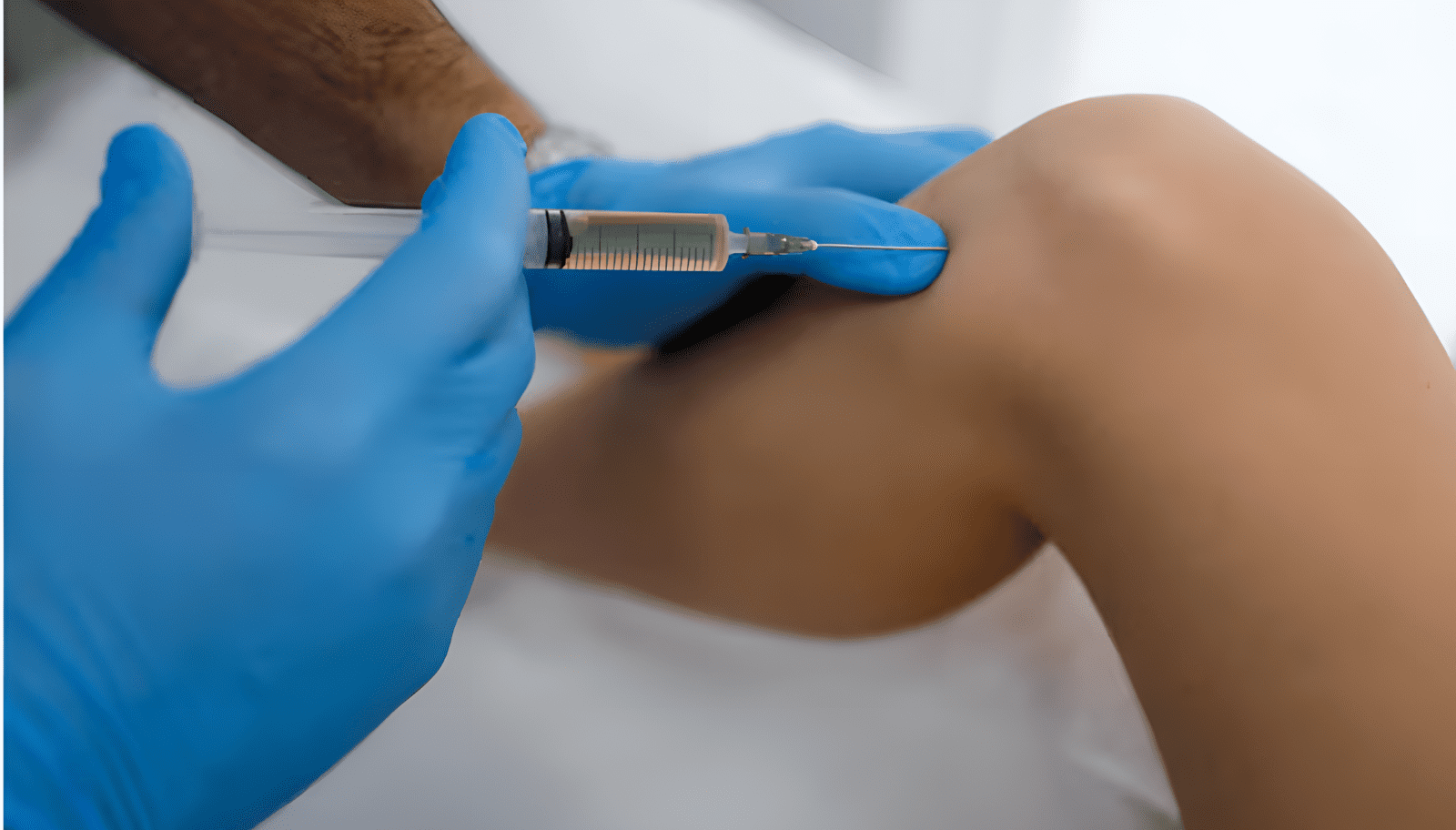
The frequency of PRP injections varies depending on the severity of the condition and individual treatment goals. For most patients, a course of 2–3 sessions is recommended, spaced a few weeks apart to allow the body to respond effectively to each Joint PRP Injection.
When used as a PRP treatment for the knee, follow-up sessions may be advised every 6–12 months to maintain results, improve joint function, and support long-term healing. A personalised treatment plan from a qualified practitioner ensures the best possible outcomes.
Is PRP Injection Considered Beneficial?
PRP injections are widely considered a beneficial treatment for individuals seeking a natural and non-surgical approach to healing. By using the body’s own growth factors, PRP helps reduce inflammation, support tissue repair, and improve mobility and joint function over time. Many patients experience gradual yet long-lasting relief from pain and stiffness, making it an effective option for managing joint conditions and injuries. With minimal downtime and a low risk of complications, PRP injections offer a safe and reliable solution for enhancing overall joint health and daily movement.
Why Choose Dr. Salim?
Safety and Precision With Ultrasound Technology
To ensure optimal safety and accuracy, Dr. Salim incorporates ultrasound technology in the treatment process where necessary. This advanced imaging allows for a detailed view of underlying structures, providing enhanced precision and minimising the risk of complications. With ultrasound guidance, you can feel confident in receiving treatment that is tailored to your individual anatomy.
Expert Care From A Trusted Medical Professional
With years of specialised training and a dedication to excellence, Dr. Salim ensures each anti-wrinkle treatment meets the highest standards in aesthetic medicine. Focused on natural results, patient comfort, and advanced techniques, Dr. Salim delivers safe, effective care tailored to your unique beauty.
Frequently Asked Questions
Get In Touch
With Us Today